Dark Romance Decoded
Inside the genre that continues to fascinate readers and divide the internet
What Is Dark Romance?
Dark romance is a subgenre of romance fiction that explores themes many traditional romances avoid. These stories may include obsession, revenge, power imbalance, morally gray characters, emotional trauma, control, or taboo relationships. While some books focus on suspense and psychological tension, others center passion and redemption.
Dark romance is not one single formula. Some novels are emotional and character-driven, while others intentionally push boundaries. This variety is part of what makes the genre so difficult to define and so controversial to discuss.
Why Readers Can’t Get Enough
Many readers are drawn to dark romance because of its emotional intensity. The stakes often feel higher than in traditional romance, making every interaction more dramatic and addictive. Instead of predictable love stories, readers experience tension, danger, obsession, and characters who challenge each other.
Another reason readers enjoy the genre is because fiction allows people to explore fantasies in a safe space. Enjoying dark themes in a novel does not automatically reflect someone’s real-life values. For many readers, dark romance is about escapism, complexity, and emotional thrill rather than reality.
Why Dark Romance Sparks Backlash
Dark romance sparks backlash because it challenges many traditional expectations of what romance is supposed to look like. Instead of focusing only on healthy or idealized relationships, the genre often explores obsession, power imbalances, morally gray characters, and taboo themes. For many readers, these elements make the stories more intense and emotionally complex. For others, they create discomfort and raise concerns about what is being romanticized.
At the same time, much of the backlash comes from larger cultural debates about fiction and personal values. Critics may argue that these books normalize harmful behavior, while supporters see them as a space to safely explore fantasy that is separate from real life. Social media has also intensified these reactions, since controversial scenes are often shared without context and used to spark outrage. Because of this, dark romance has become one of the most debated genres in modern reading culture.
Common Critiques
- Toxic Relationship Dynamics
- Blurred Consent Boundaries
- Glamorized Obession
- Extreme or Taboo Themes
Public Perception & Debate
- Scenes Shared Without Context
- Stigma Toward Readers
- Fiction vs Real Life Values
- What Romance “Should” Look Like
Readers Reactions: Love It or Hate It
Online spaces have played a major role in the rise of dark romance. Platforms like Goodreads, TikTok BookTok, blogs, and reading forums allow readers to publicly review books, debate themes, and recommend titles to wide audiences. As a result, dark romance is constantly being praised, criticized, and reinterpreted online. In many ways, the internet has become part of how the genre is experienced.
Haunting Adeline
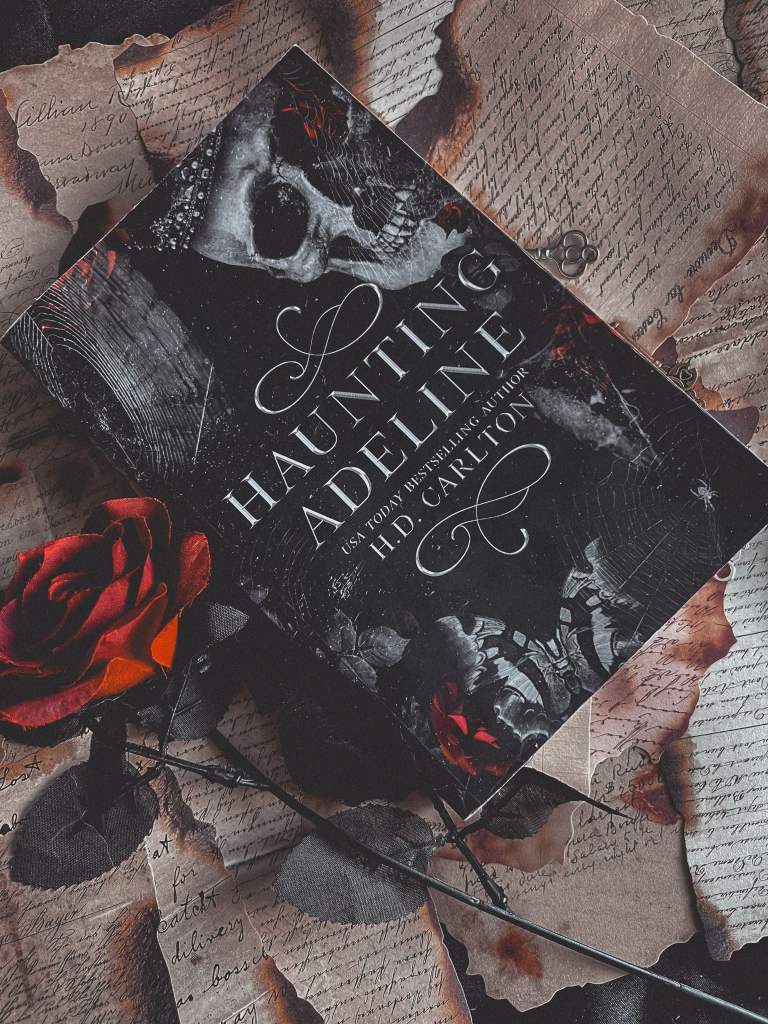
★☆☆☆☆ 1 Star Review
“DNF what tf is this???? I almost died of cringe and how the hell do people like this???”
★ ★ ★ ★ ★ 5 Star Review
“Absolutely loved this book. It was my first dark romance book and unlocked a love for reading I didn’t know I had.”
♥︎♥︎♥︎♥︎♥︎♥︎♥︎♥︎♥︎
Devil’s Night Series
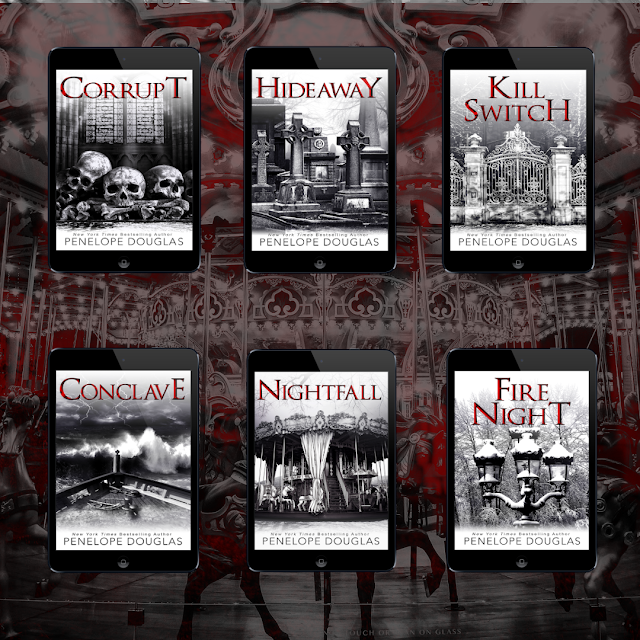
★☆☆☆☆ 1 Star Review
“Decent smut but everything else set women’s rights back 100 years.”
★ ★ ★ ★ ★ 5 Star Review
“Worth every hour… every day… every second of waiting. Loved this book so much I want to reread it right now.”
♥︎♥︎♥︎♥︎♥︎♥︎♥︎♥︎♥︎
The L.O.R.D.S Series
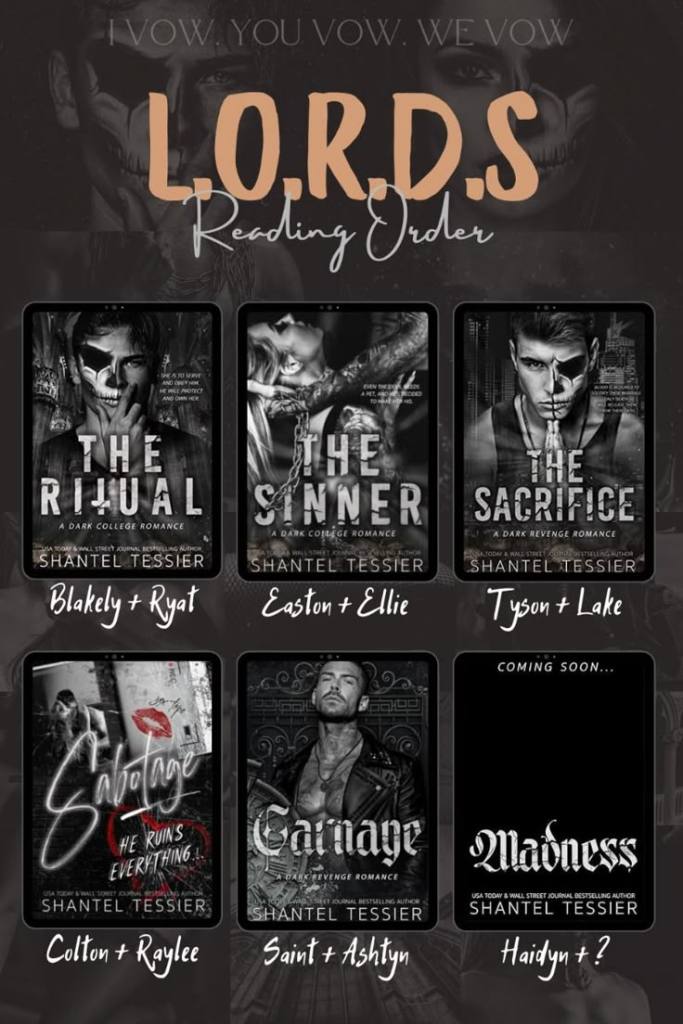
★☆☆☆☆ 1 Star Review
“You ever accidentally get hand sanitizer in a paper cut? That’s what reading this book felt like.”
★ ★ ★ ★ ★ 5 Star Review
“Don’t get me wrong, this is unhinged but surprisingly good. I would have read 500 more pages of this if it existed.”
Original Sin: Inside The Fantasy
Dark romance often centers characters who are mysterious, intense, emotionally dangerous, or morally gray. These characters create tension because they represent both attraction and uncertainty at the same time. Readers are often drawn to the suspense they create, where desire and warning signs exist side by side. The following original scene demonstrates how dark romance uses atmosphere, power, and curiosity to pull readers into that dynamic.
Straight Toward the Danger
I felt him watching me long before I saw him.
That slow, crawling awareness slid across my skin like a warning. The kind that makes the back of your neck prickle, the kind that whispers to risk it.
When I finally looked across the room, he was already staring.
Not casually.
Not curiously.
Like he’d been waiting for me to notice.
The room around us blurred into noise, but he didn’t move. Didn’t blink. Just watched me like I was something he claimed.
I should have looked away. I should’ve left the room.
Instead, I walked over.
“You’ve been staring,” I said.
His gaze dragged slowly over me, deliberate and unapologetic.
“And you came over anyway.”
His voice was calm, but something cold lurked beneath it.
“That says more about you than it does about me.”
I crossed my arms. “You think that’s flattering?”
“No,” he said quietly. “I think it means you’re curious.”
I scoffed, but the sound came out thinner than I wanted.
“You don’t even know me.”
His eyes darkened slightly. “I know enough.”
“And what’s that?”
He leaned forward slowly, resting his elbows on his knees.
“That you noticed me watching,” he murmured.
A pause stretched between us.
Then he added—
“And instead of leaving… you walked straight toward the danger.”
My stomach tightened.
Because deep down, I knew exactly what he meant.
Beyond The Pages
Dark romance is a genre that sparks immediate reactions. Some readers see it as exciting fiction that pushes boundaries, while others view it as troubling because of the themes it explores. Those opposing responses are exactly what make the genre worth discussing.
At its core, dark romance exists at the intersection of fantasy, desire, fear, power, and morality. It challenges readers to consider where fiction ends and real-world values begin. Readers can separate fantasy from reality, while criticism of harmful portrayals can also be valid. Both perspectives can exist at once.
The debate surrounding dark romance says as much about society as it does about the books themselves. It reflects how people respond to taboo subjects, female desire, and the freedom fiction gives readers to explore darker emotions in a safe space.
Whether loved or criticized, dark romance continues to hold attention—and that alone makes it culturally significant.
 darkromancesblog